AGP Executive Report
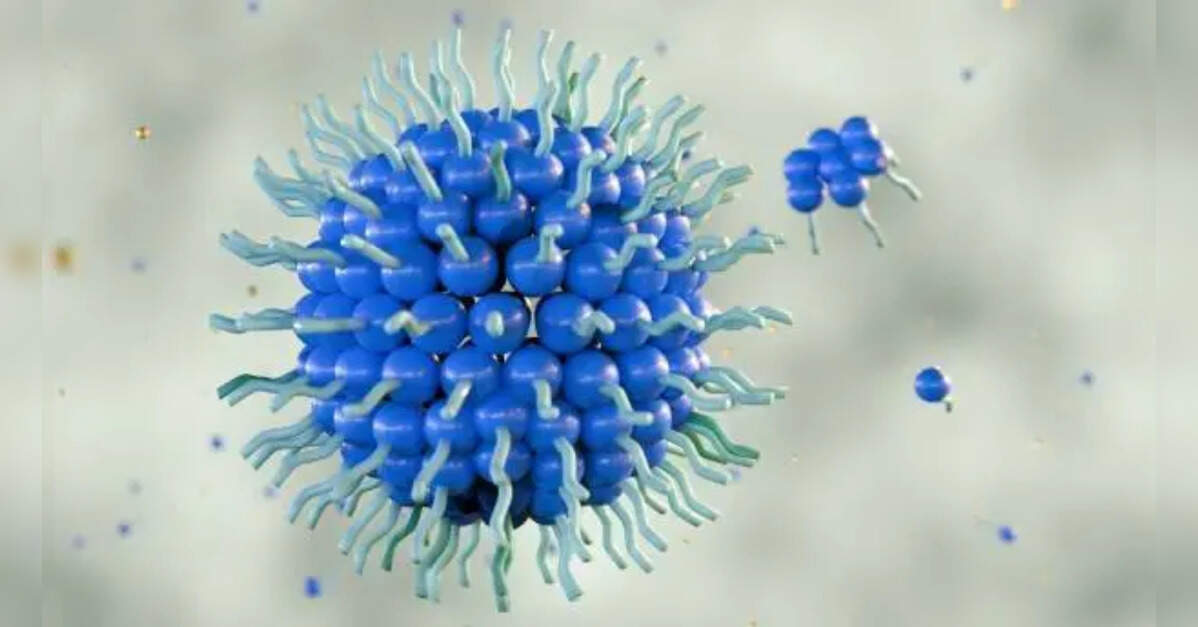
Last update: 10 hours agoUniversal vaccines: British scientists say an AI-designed “super-antigen” universal vaccine could protect against whole families of viruses and avoid constant updates; a human trial for a coronavirus version has shown safety, with phase II next. AI in biotech: A separate AI vaccine approach also targets broad, future-proof immunity by training on global mutation data, aiming to stop pandemics before they start. Climate risk: NASA reports a huge swell of warm Pacific water, a warning sign that Super El Niño may be imminent, with major knock-on effects for rainfall and heat worldwide. Space-weather stakes: Researchers are testing how well simulation tools predict floating solar performance, while other coverage flags how climate extremes could stress systems and infrastructure. Health & biology: Cambridge researchers report precise human embryo base editing without DNA damage, and another Cambridge study suggests a genetic brake on nerve repair can be reversed in lab models—both pointing toward safer medicine and potential recovery therapies. Tech hardware: Chinese teams unveil a vacuum/air-channel electron tube that avoids gate leakage and has already been demonstrated in amplifier and NAND/NOR logic circuits. Science policy: Radiologists warn a new federal grant rule could politicize research funding and add compliance burdens. Archaeology & culture: Scientists describe “Pirates of the Caribbean” style shipwrecks in the Bahamas, and new work suggests Stonehenge’s Altar Stone was likely carried by humans across Britain.
Note: AI summary from news headlines; neutral sources weighted more to help reduce bias in the result. Feedback is welcome. Please let us know if you have any comments or suggestions about the AGP Executive Report.




 Perspectify News