

International Expert Consensus Guidance for Adult Orthodontic Care
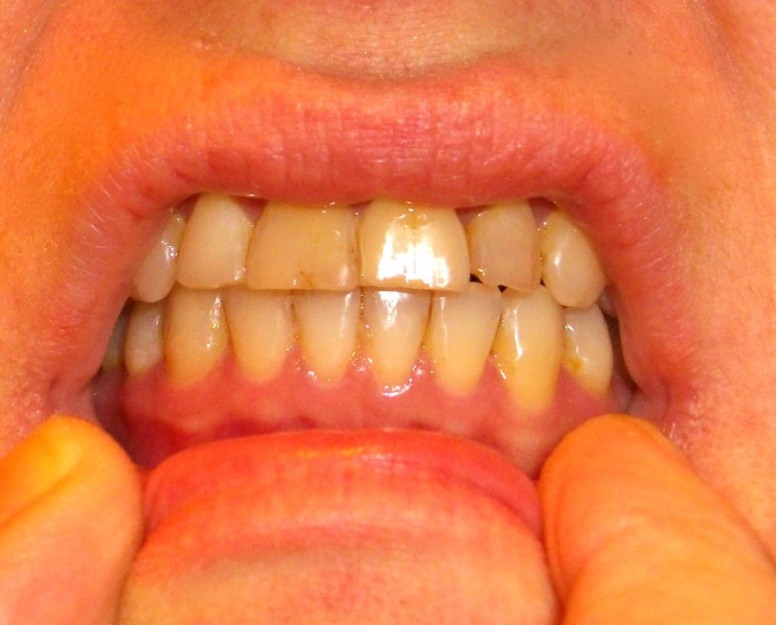
Researchers develop a new evidence-based framework for diagnosing, planning, and delivering adult orthodontic care.
A new evidence-based framework for diagnosing, planning, and delivering adult orthodontic care
CHINA, July 23, 2026 /EINPresswire.com/ -- Alveolar bone defects and protrusive facial deformities affect a considerable portion of the population and may increase the risk of other complications. The proposed expert consensus aims to provide evidence-based recommendations for the treatment of these complications and offers strategies to improve adult orthodontic care.How do orthodontists plan treatment for adults with reduced bone support, periodontal concerns, or complex skeletal discrepancies?
As more adults seek orthodontic treatment, answering these questions has become increasingly challenging. Beyond creating straighter smiles, clinicians are balancing facial aesthetics, skeletal relationships, periodontal health, and rapidly evolving digital technologies while striving to deliver safe, predictable, and personalized treatment.
“The growing demand for adult orthodontic treatment has highlighted critical challenges,” says Dr. Li Xu, one of the lead authors.
To help address these challenges, international experts developed three complementary consensus articles published in the International Journal of Oral Science. These include “Expert consensus on orthodontic-associated alveolar ridge augmentation for adult patients” published in International Journal of Oral Science on March 25, 2026, “Expert consensus on the clinical strategies for orthodontic treatment with clear aligners” published in International Journal of Oral Science on March 13, 2025, and “Expert consensus on orthodontic treatment of protrusive facial deformities” published in International Journal of Oral Science on February 01, 2025. Built on systematic evidence reviews and multidisciplinary expert consensus, the researchers establish a new evidence-based framework for diagnosing and delivering adult orthodontic care.
Looking Beyond the Smile
Correcting protrusive facial deformities involves far more than straightening teeth. Adult patients often present with complex skeletal, dental, and soft tissue characteristics, making diagnosis and treatment planning far more challenging than correcting alignment alone.
“The diagnosis of protrusive facial deformities should follow the principle of total-element diagnosis,” says Dr. Chenchen Zhou. The approach encourages clinicians to look beyond the teeth and evaluate the patient as a whole before deciding on treatment.
Rather than focusing primarily on the teeth, jaws, and facial profile, the consensus recommends considering multiple dimensions—including sagittal, vertical, and transverse relationships, growth potential, and broader clinical factors—to understand the underlying causes of the deformity and establish realistic treatment goals.
Multidimensional analysis refers to the comprehensive evaluation of sagittal, vertical, and horizontal dimensions, as well as growth potential in diagnosing and decision-making process of orthodontic cases.
By integrating facial, skeletal, and dental assessments with functional and periodontal considerations, orthodontists can establish realistic treatment objectives before selecting the most appropriate treatment approach.
With treatment objectives clearly established, the next challenge is determining how those goals can be achieved safely and predictably.
Planning Every Movement
Defining the destination is only the beginning. Delivering predictable tooth movement requires meticulous planning, where every stage is mapped before active treatment begins. Successful planning also depends on selecting an appropriate treatment strategy based on case complexity and biomechanical demands, ensuring that digital technology complements sound clinical judgment.
“The precise initial position of the teeth requires complete and accurate patients' data,” says Dr. Wenli Lai. Facial and intraoral photographs, radiographic examinations, cone beam computed tomography scans (CBCT) scans, and digital dental models provide the information needed to develop an accurate digital treatment strategy.
The consensus emphasizes that planning should extend far beyond the desired final result. Thus, the initial, intermediate, and final positions are the three keys to the success of clear aligner therapy.
By carefully designing each transition, orthodontists can guide tooth movement in a predictable sequence while respecting biomechanical principles, helping achieve efficient outcomes with greater control.
Working with Biology
Even the most carefully planned tooth movement must respect the biological limits of the supporting tissues. Adult patients frequently present with reduced alveolar bone support or pre-existing defects that increase the risk of periodontal complications during orthodontic treatment. A thorough assessment of periodontal health and alveolar bone therefore becomes an essential part of treatment delivery.
The consensus also states that CBCT imaging for comprehensive assessment of the condition of the alveolar bone is strongly recommended, particularly when extensive tooth movement is anticipated. Together, these evaluations help clinicians identify anatomical limitations before treatment begins and plan safer tooth movement.
Where additional bone support is required, the consensus outlines evidence-based strategies—including orthodontic-associated alveolar ridge augmentation—to reduce periodontal complications and expand treatment possibilities in appropriately selected patients. By integrating biological assessment into clinical decision-making, the recommendations reinforce that successful adult orthodontic care depends not only on moving teeth accurately, but also on preserving the health of the surrounding tissues.
Future Endeavors
The authors note that the recommendations are expected to evolve as new evidence emerges, with future large-scale clinical studies, technological advances, and multidisciplinary research helping to refine and strengthen current guidance.
“As our understanding deepens, as clinical research continues to evolve, and as better research methods are applied in clinical practice, it will undoubtedly lead to more optimized treatment outcomes and improved long-term patient stability,” concludes Dr. Chenchen Zhou.
***
References
Title of original paper: Expert consensus on orthodontic-associated alveolar ridge augmentation for adult patients
Journal: International Journal of Oral Science
DOI: https://doi.org/10.1038/s41368-026-00430-x
Title of original paper: Expert consensus on the clinical strategies for orthodontic treatment with clear aligners
Journal: International Journal of Oral Science
DOI: https://doi.org/10.1038/s41368-025-00350-2
Title of original paper: Expert consensus on orthodontic treatment of protrusive facial deformities
Journal: International Journal of Oral Science
DOI: https://doi.org/10.1038/s41368-024-00338-4
Yini Bao
International Journal of Oral Science
+862885546461 ext.
email us here
Legal Disclaimer:
EIN Presswire provides this news content "as is" without warranty of any kind. We do not accept any responsibility or liability for the accuracy, content, images, videos, licenses, completeness, legality, or reliability of the information contained in this article. If you have any complaints or copyright issues related to this article, kindly contact the author above.
